
In 2022, the Gunnison County Community Health Coalition (CHC) released the State of the Community Report, offering a comprehensive look at behavioral health and how housing, income, childcare, and access to services all shape the quality of life in the Gunnison Valley.
For many, it put words and data to challenges they were already facing. And for organizations, leaders, and residents across the Valley, it was a catalyst for change—a reason to come together, think bigger, and build more collaborative solutions.
Now, in 2025, the Community Foundation of the Gunnison Valley (CFGV) has released a follow-up. Supported by a grant from Vail Resorts’ EpicPromise, the update revisits the big themes from 2022 and checks in on what has changed, what hasn’t, and where progress is still needed to build a thriving, resilient community.
Some of the numbers are still hard to read, and in many areas, not much has changed. But the report also highlights progress: new housing projects underway, better access to behavioral health care, and more collaboration between people and organizations across the Valley.
At the Valley Housing Fund, we see these steps as part of a longer path forward. Below, we’re sharing a few key takeaways from the 2025 update and what they mean for housing, affordability, and quality of life in the Gunnison Valley.
41% of Community Members Live Below the Self-Sufficiency Standard
One of the most striking figures from the report is that 41% of people in Gunnison County are living below the self-sufficiency standard, meaning they don’t earn enough to cover their basic needs, like housing, childcare, and transportation.
This number hasn’t changed much since the 2022 report, and it highlights a big gap. While about 13% of residents fall below the federal poverty line, many more are caught in the middle: earning too much to qualify for assistance but not enough to stay financially stable on their own.
This isn’t a niche issue. It affects a large portion of our workforce and neighbors. It’s also why the nonprofit sector, local programs, and community donations continue to play such a critical role in helping families across the valley live more sustainably.
Despite Progress, Housing Remains a Core Challenge
Housing continues to be one of the biggest barriers to financial stability in the Valley. When a large chunk of someone’s income goes toward rent or a mortgage, it leaves very little for everything else. And when housing isn’t available, or people have to move farther away from work or support networks, it has a significant impact on quality of life and community well-being.
The 2025 report estimates that meeting the Valley’s workforce housing needs over the next ten years will require more than $500 million in investment. That number is significant, but it also gives us a sense of scale and a clearer target for public and private funding.
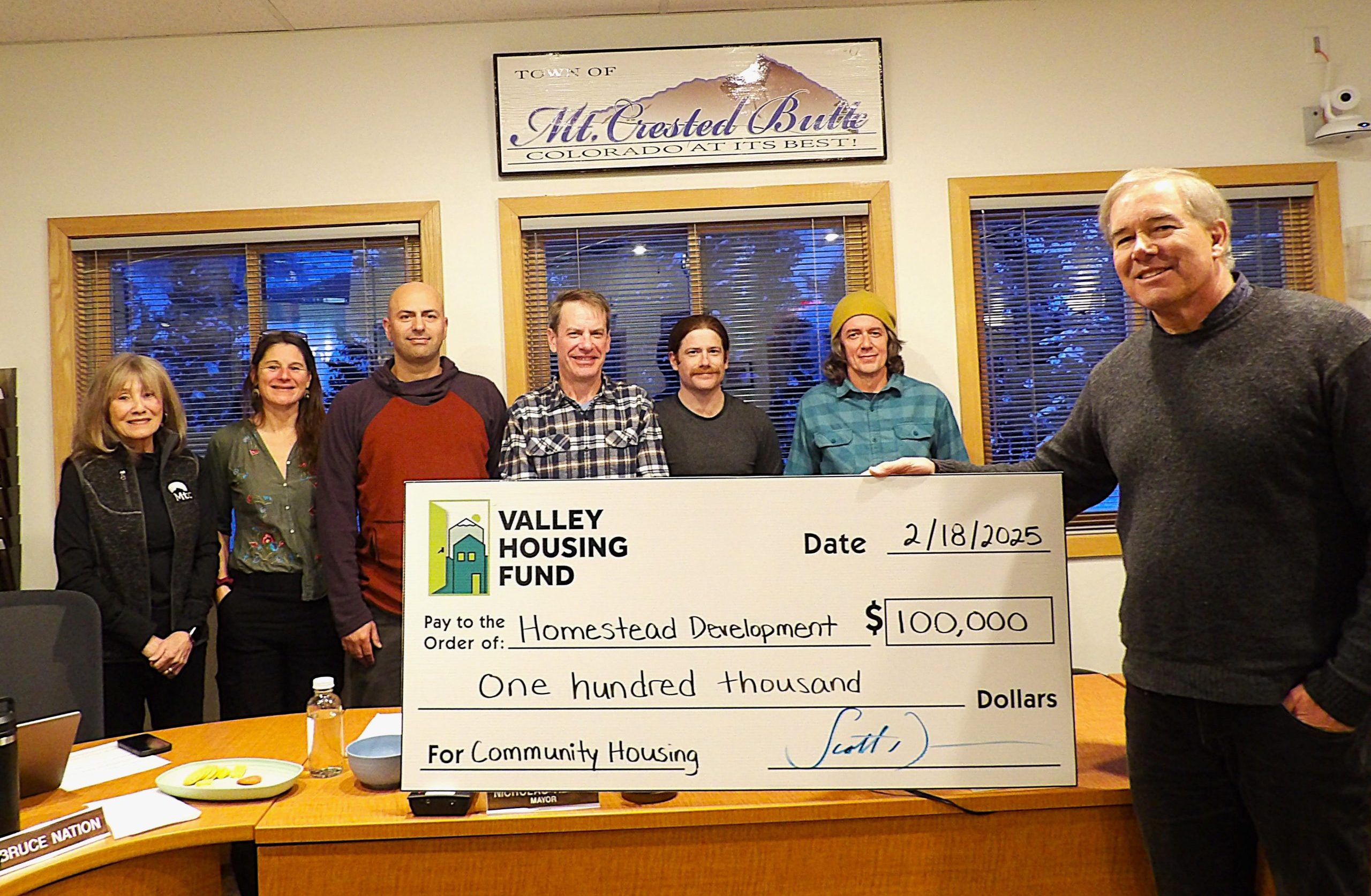
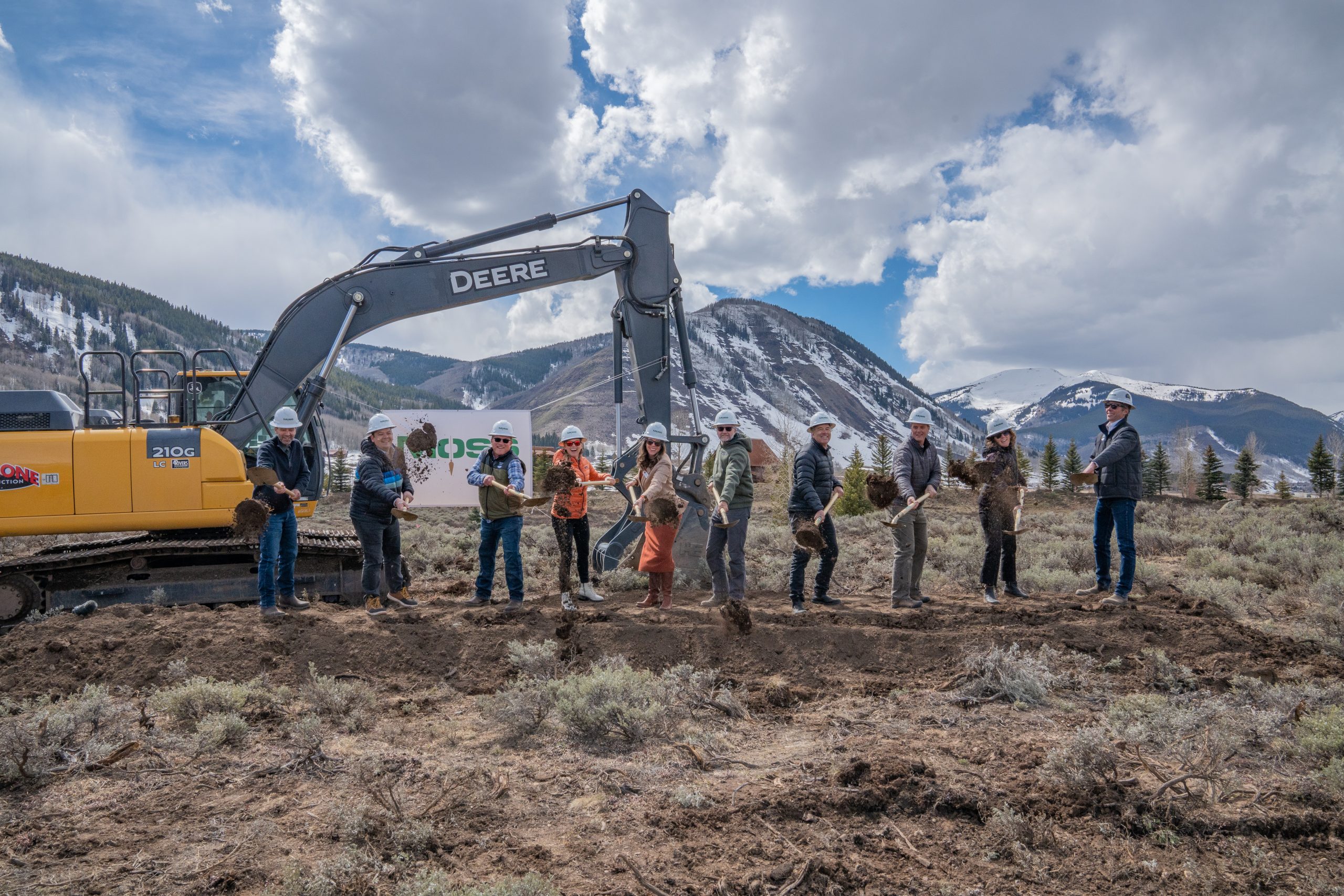
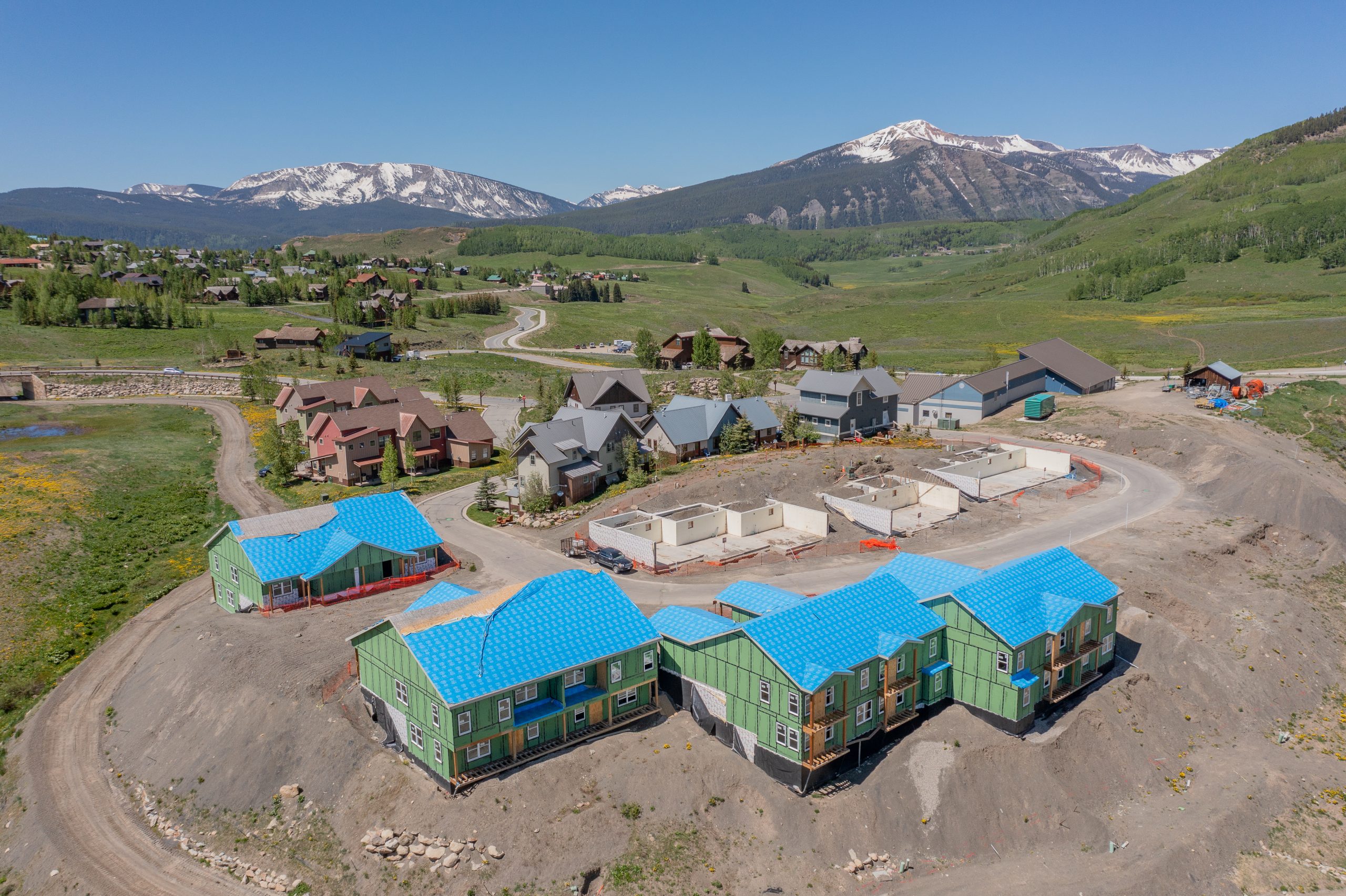
We’re already seeing what’s possible when we work together. Developments like Sawtooth and Whetstone are early signs that collaboration is paying off. While these projects won’t solve the entire housing crisis, they’re necessary steps forward and proof that thoughtful, community-driven housing solutions are possible.
Behavioral Health Access Has Grown, But So Has Demand
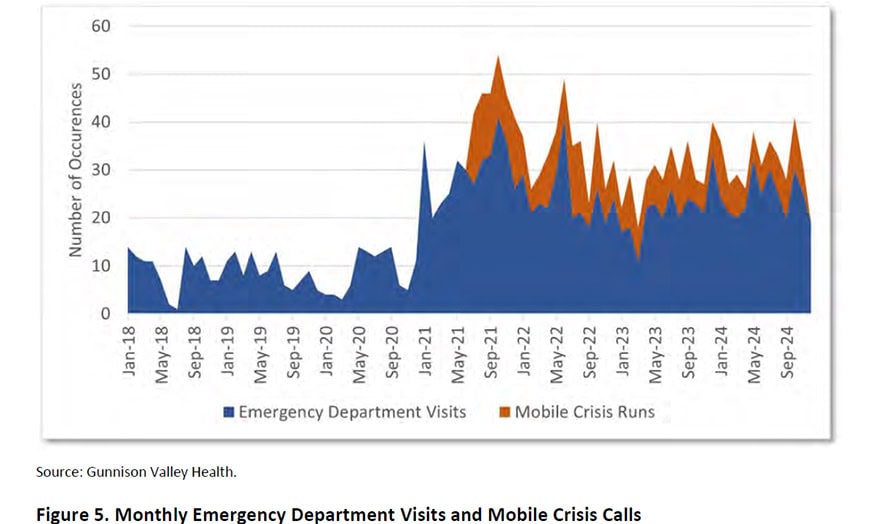
Behavioral health was a major focus in 2022, and that hasn’t changed. The 2025 update shows that mental health and substance-use challenges remain a serious concern, though access to care has improved thanks to resources like the Mobile Crisis Unit at Gunnison Valley Health.
But the report also makes clear that economic stress continues to fuel poor behavioral health outcomes, and for many, that stress starts with housing. When housing costs eat up most of a paycheck, or when people have to leave the Valley to find somewhere more affordable, it creates instability. And that instability shows up in mental health.
Improving behavioral health isn’t just about increasing services; it’s also about ensuring that people have access to safe, stable, and affordable housing.
Final Thoughts
It’s tough to see that many of the numbers from 2022 remain unchanged, and in some cases, they’ve even shifted in the wrong direction. But that doesn’t mean progress isn’t happening. We’re seeing people and organizations come together in new ways.
Projects like Whetstone are moving forward not because the process was easy, but because people stayed committed, worked through challenges, and continued to show up for this community. That kind of collaboration is what keeps things moving.
At the Valley Housing Fund, we know no one can solve these challenges alone. But together, we can make real progress—project by project, conversation by conversation, step by step. Because at the end of the day, housing isn’t just about unit counts or zoning approvals. It’s about people. Our people.
Thanks for being part of this important work with us.
You can read the full 2025 State of the Community Update at cfgv.org.