
Affordable housing conversations often come with big questions like: If it’s affordable housing, why does it cost so much? Why does it take so long to build? And, is affordable housing even “affordable” anymore?
Affordable housing depends on a complex mix of funding sources, local planning, government approvals, and collaboration. These homes are built not just to be priced affordably but to last for decades, serve the local workforce, and meet the long-term needs of our valley.
To help answer these questions, let’s take a closer look at the factors that impact these critical community homes.
Affordable Housing is Not Affordable to Build
When we talk about “affordable housing,” we usually think of the final price someone pays to live there, not the cost to build it. However, the price to construct a home in the Gunnison Valley is expensive, just like the cost to construct anything here.
We live in a rural resort community where land, materials, and labor all come at a premium. Unfortunately, there are no generous discounts or special rates on these elements just because the end goal is affordability.
Most of the time, local developers, builders, and contractors—many of whom are community members themselves—are working hard to build these homes while also covering their operating costs and making a living in the valley.
And, quality matters. These homes are meant to serve our local workforce for the long haul, so they’re designed to be durable, safe, and energy efficient. That commitment to long-term value adds to the initial cost, but it’s a necessary investment in the future of our community.
Understanding the Costs of Building a Home.
To better understand the challenge, it helps to look at a simplified example. Let’s say:
- A plot of residential land = $200k
- Construction for a modest 2,000-square-foot home at $400/sq ft = $800k
- Total cost = $1 million
At the same time, an average local working family may be able to realistically afford a home priced around $350,000. That leaves a $650,000 gap between what it costs to build the home and what the home is sold for.
Bridging that gap to keep affordable homes within reach for local families requires significant money from another source, and often the only options are state and federal grants, local government contributions to reduce fees, and nonprofits like the Valley Housing Fund to provide flexible funding. While these partnerships help, funding is limited and competitive, and every project requires thoughtful coordination to close the funding gap.


So Why Does It Take So Long To Build?
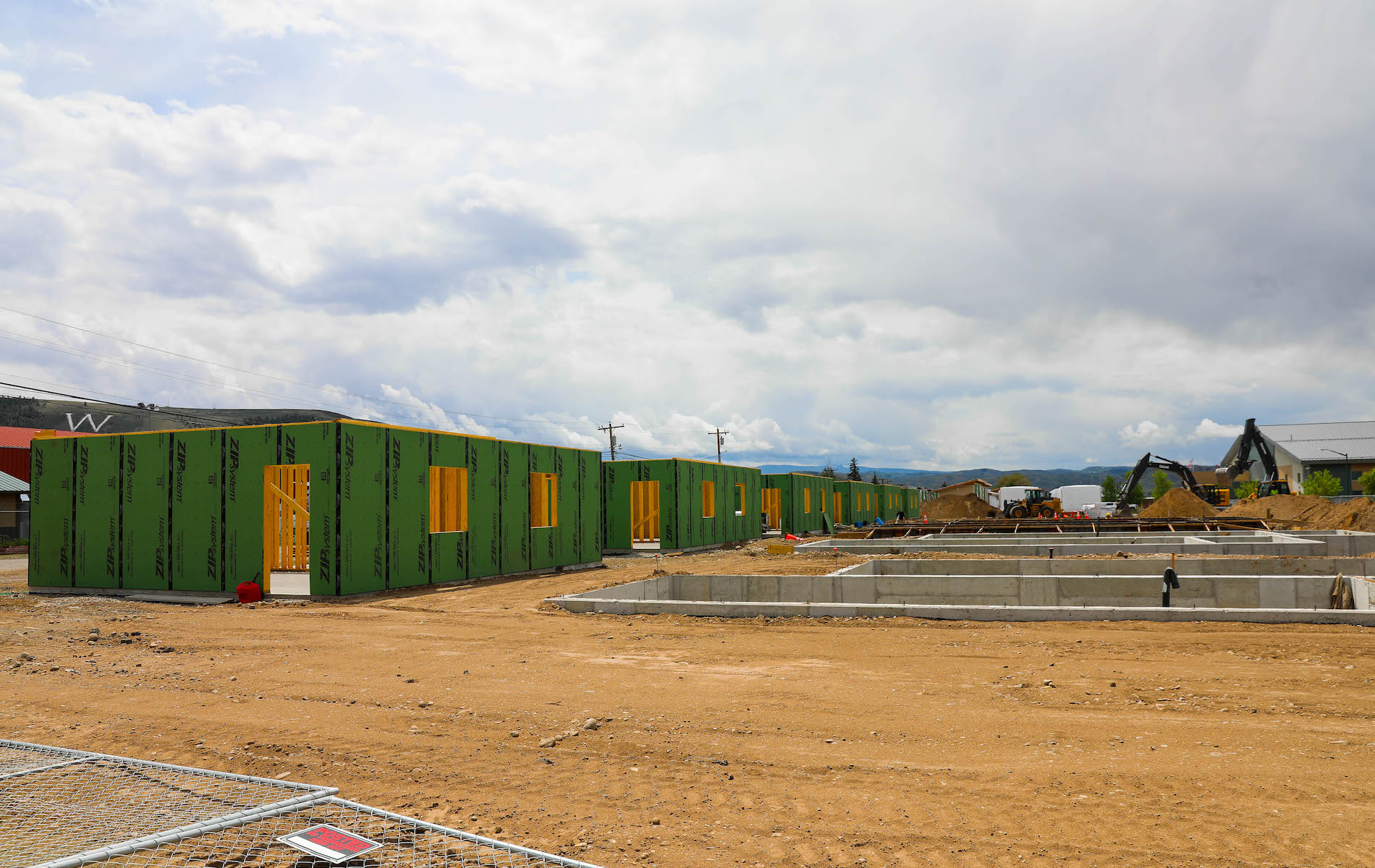
The timeline for affordable housing is shaped by grant timelines, approvals, materials and labor availability, a short building season due to long winters, and community input to bring each project to life. Here’s a closer look at what’s involved before construction can even begin:
- Funding must align. Most community housing projects are supported by various funding sources, including government grants, private investment, and donations. Each comes with its own process, rules, and timeline, and projects often have to wait until all those pieces align before moving forward.
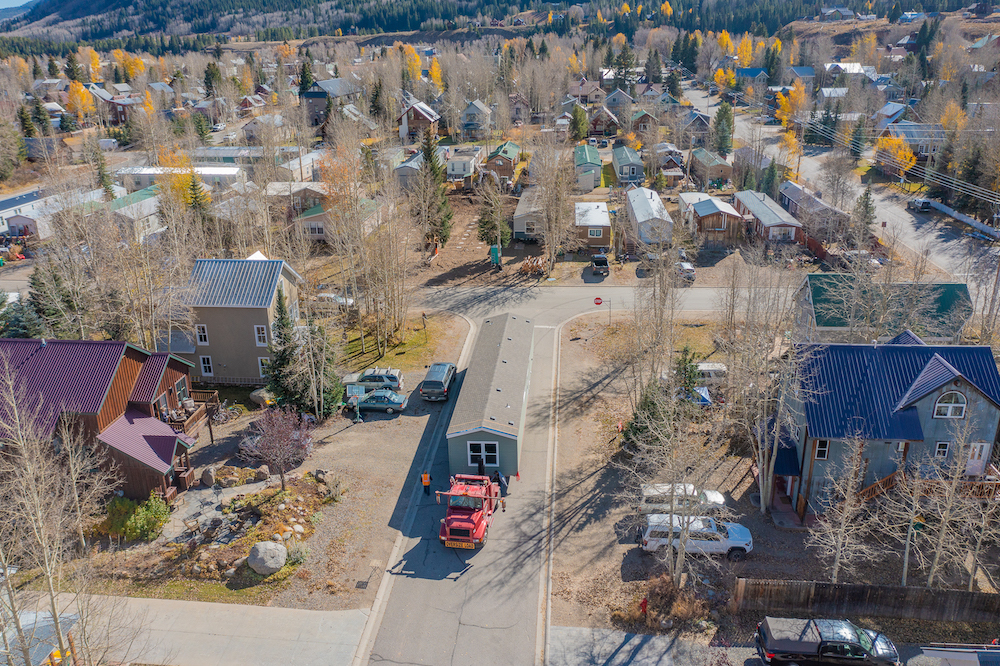
- Approvals take time. Like any development, affordable housing needs infrastructure—roads, water, sewer lines, electricity—requiring engineering, reviews, and approval from local and regional agencies.
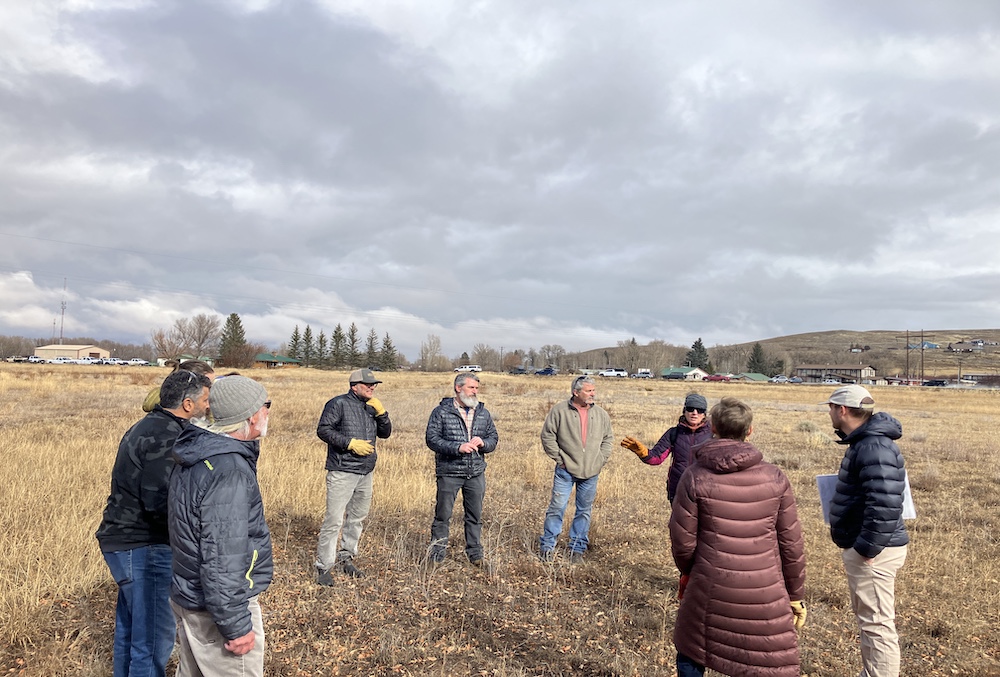
- Community input and thoughtful design are key. These aren’t just homes—they’re part of the fabric of our neighborhoods. That means listening to community feedback and designing spaces that reflect our local needs and values, which takes additional time.
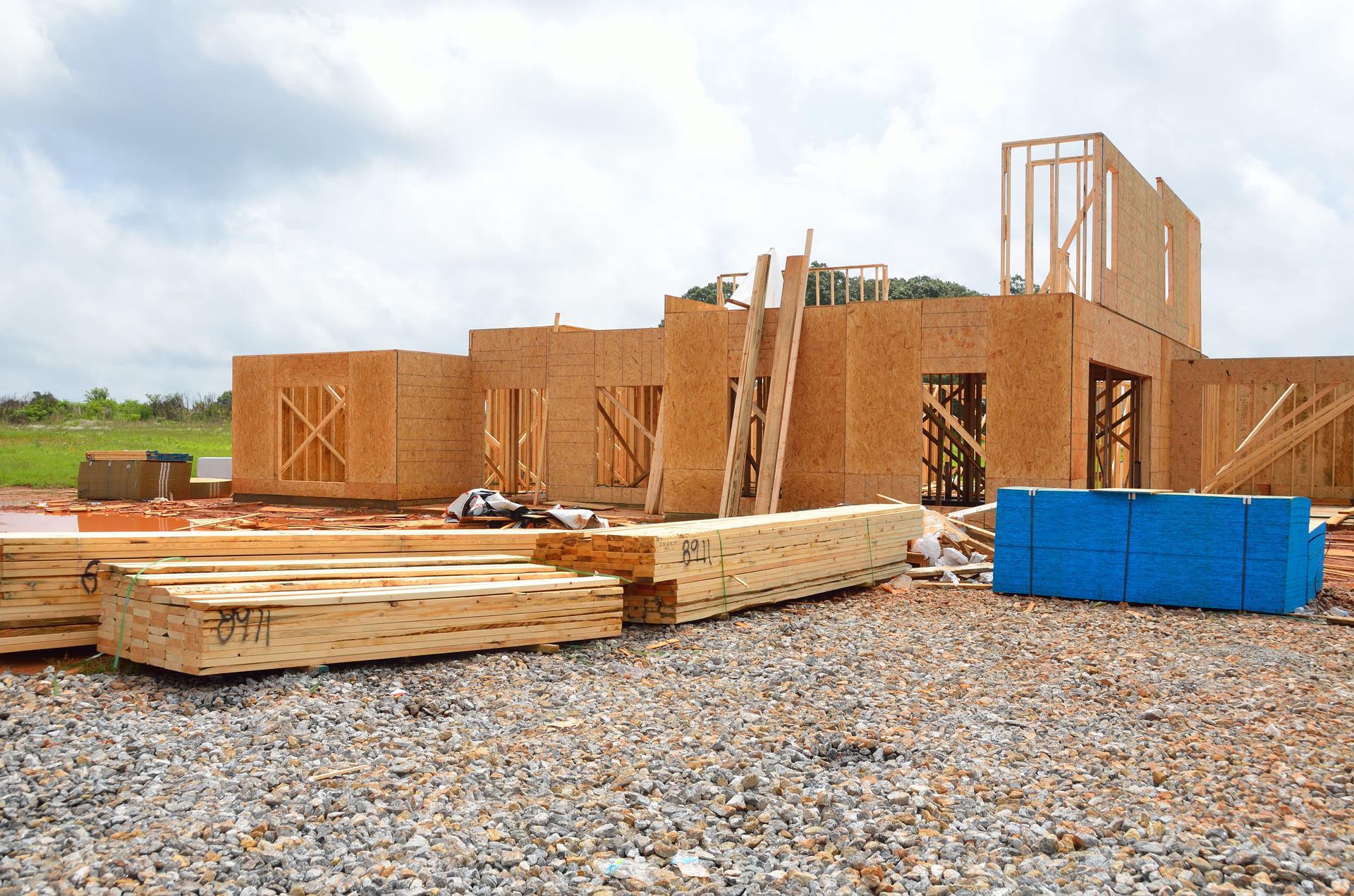
- Workforce capacity plays a role. Even when all the pieces are in place, the limited availability of construction crews and local tradespeople can slow progress, especially in smaller, rural communities like ours. A simple delay in a delivery of lumber or sheet metal could throw off the entire construction schedule for months.
Final Thoughts
We know it can be discouraging to hear about a new housing project and then wait years to see it materialize. The reality is that these projects take time and resources, but each one brings us closer to meeting the real, everyday housing needs of the hardworking people who live and work in the Gunnison Valley.
That’s why the Valley Housing Fund created our Partner Support Program. Every year, we award six-figure grants to local housing projects to help fill the gaps, meet key deadlines, and bring more housing across the finish line with the quality our community deserves.
Learn more about the program at vhfund.org/partner-support.