
Let’s be honest…the mechanics of affordable housing can be difficult to understand, especially when it comes to deed restrictions.
People often wonder: Why do some affordable homes have income limits while others don’t? Why do some homes have limits on sale price? Who is qualified to live in affordable homes?
At a glance, it may seem confusing—like every home follows a different set of rules. And in some ways, that’s true. Let’s talk about why.
Over time, affordable housing has evolved to meet community needs, incorporate lessons learned, and make the most of available resources. While we don’t have a single, one-size-fits-all deed restriction in the Gunnison Valley, these restrictions all serve the same goal: to ensure that affordable homes remain available for the people who live and work in our community.
While deed restrictions can take many forms, they all share common threads. Looking at how our community has approached affordable housing over the years can help make sense of why homes come with different requirements.
What is A Deed Restriction?
In short, it is a written limitation placed on a home. In our valley, we use the term “deed restriction” to refer to guidelines that keep homes at affordable prices, both now and into the future. These deed restrictions can include limits on sale prices, parameters on how much a renter or buyer can earn, requirements that the occupant works locally, or a combination of factors. Anyone who rents or buys the home is required by law to abide by these terms.
Different Approaches to Deed Restrictions
Affordable Homes in Private Developments
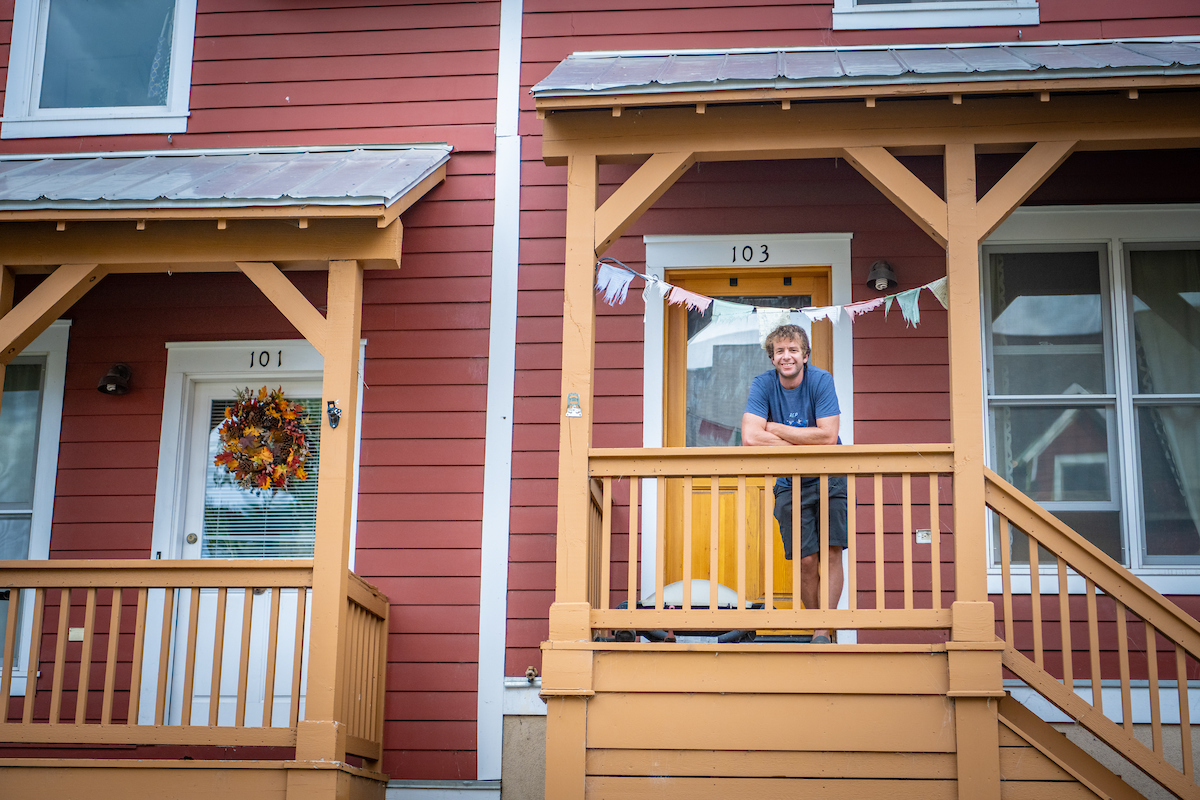
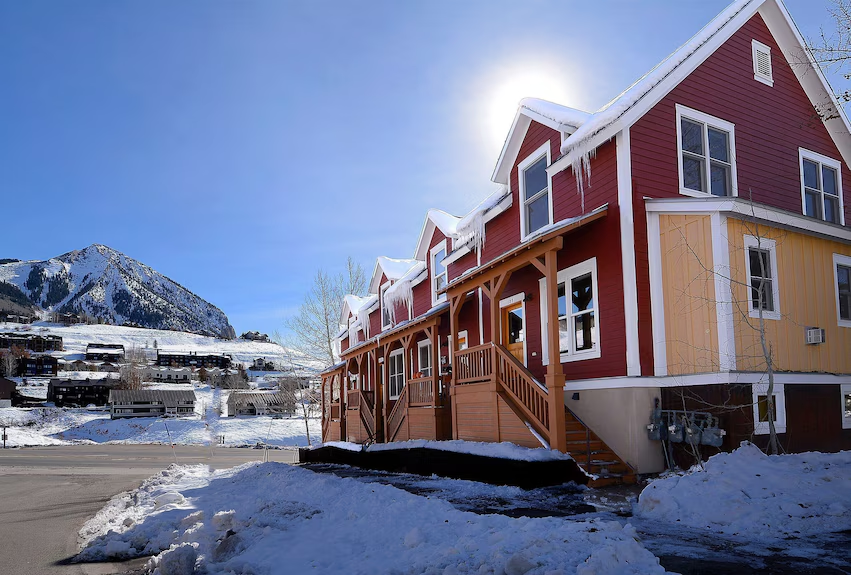
Some deed restrictions are tied to homes built by private developers who are required by local governments to set aside a portion of their units for community housing. These deed restrictions tend to be less strict, often requiring the owner to work locally but with fewer or no limits on income or future resale prices.
An example of deed-restricted housing within a private development is the Pitchfork neighborhood in Mt.Crested Butte.

Affordable Homes Built By Local Government
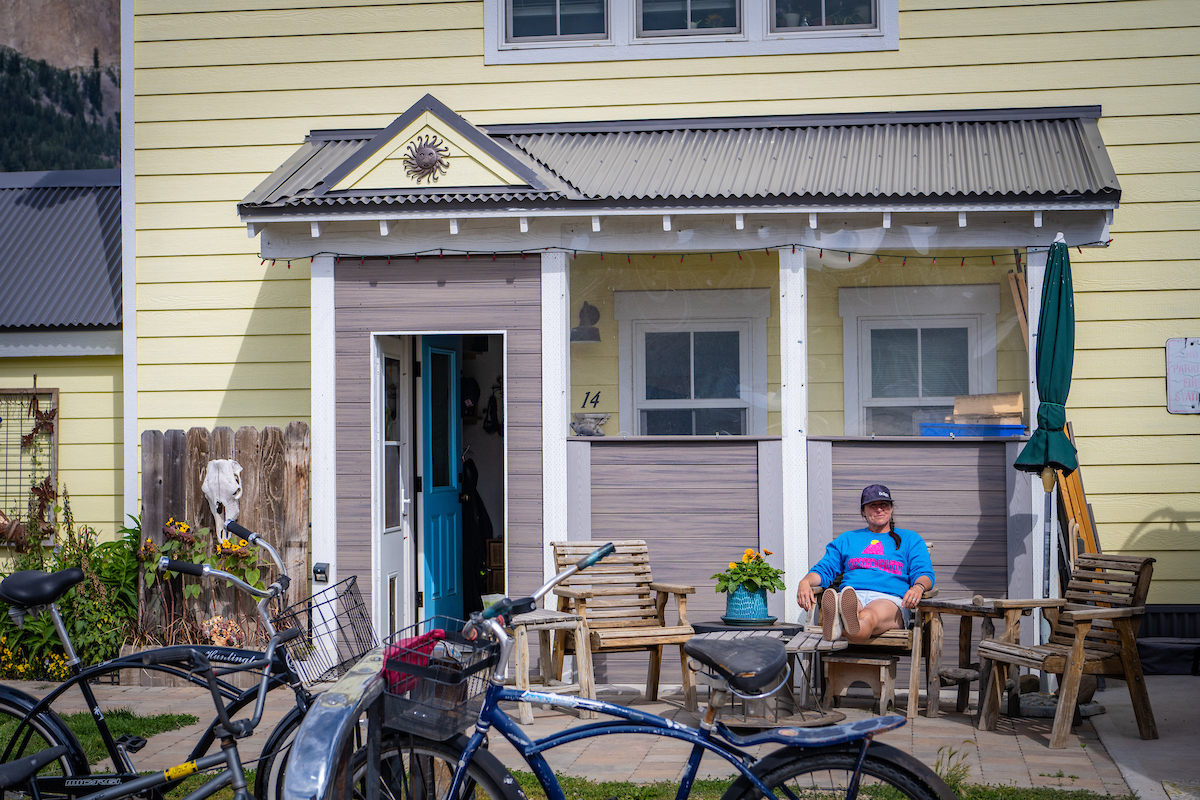
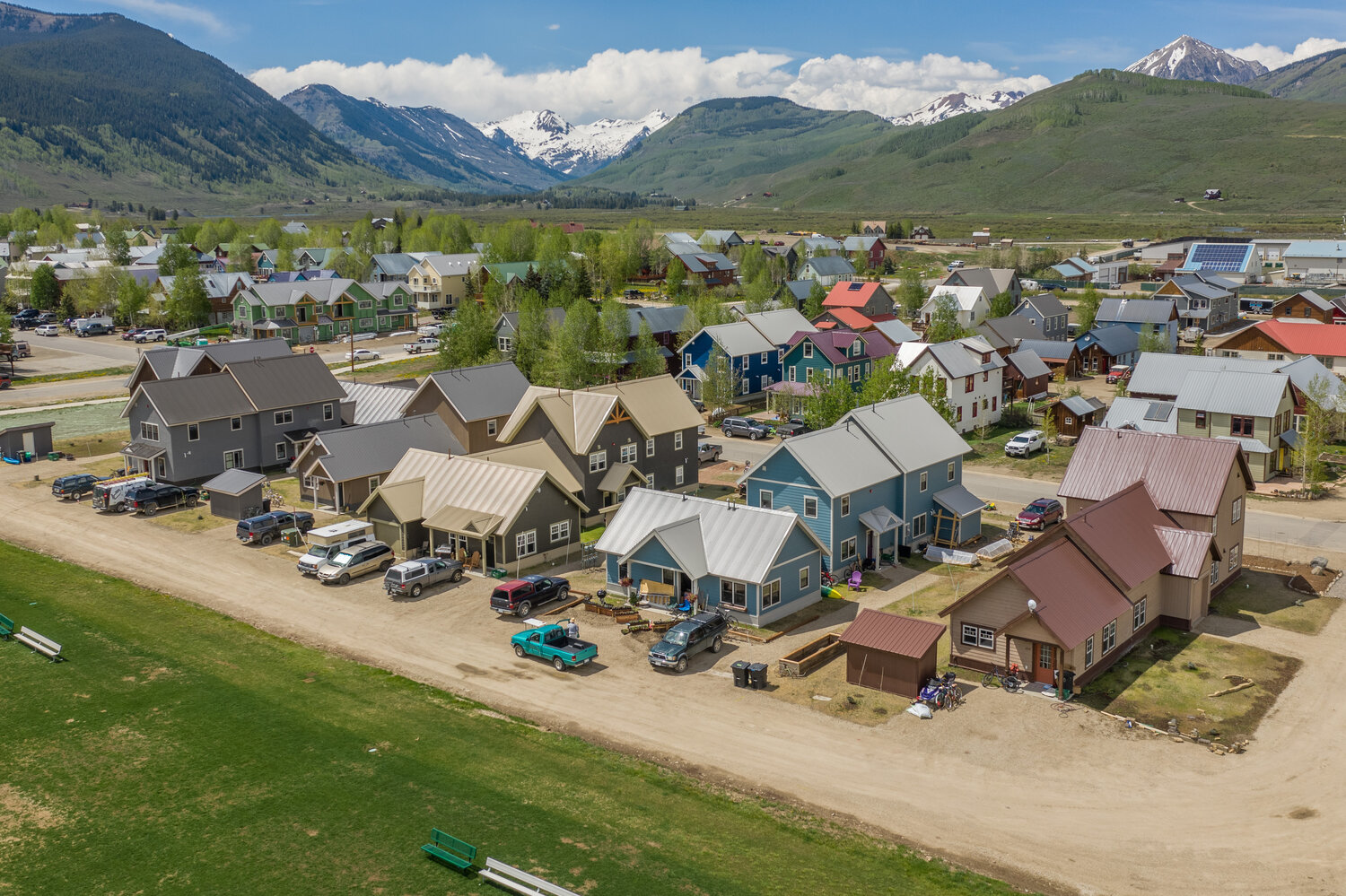
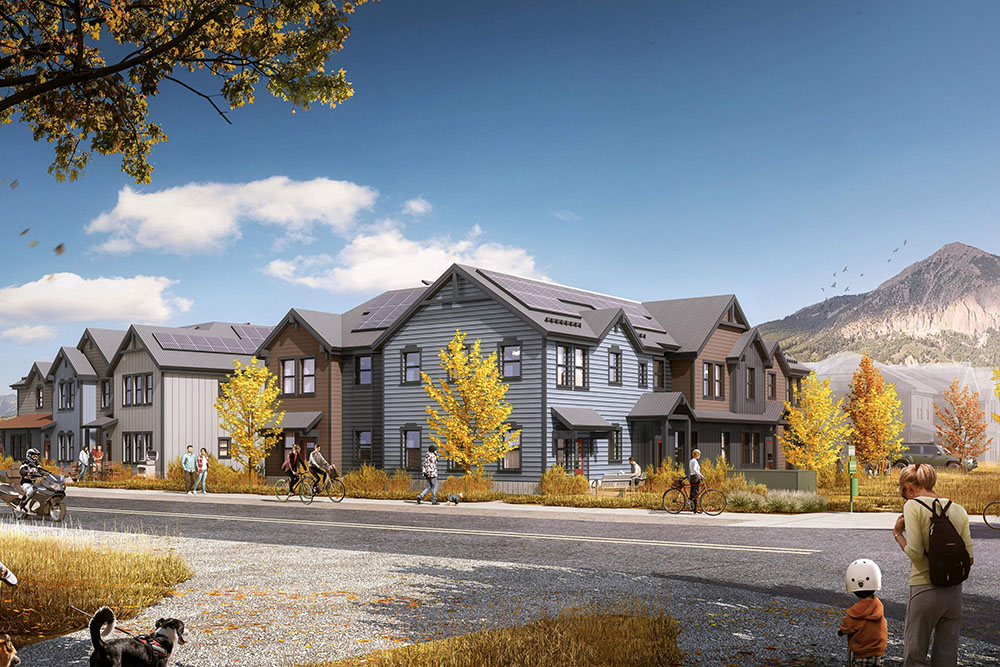
When local governments take the lead on building affordable housing projects, the restrictions tend to be more strict. Since public funds—especially tax revenue—play a key role in paying to build these homes, there is an increased responsibility to ensure they remain affordable for the long term. To do so, these deed restrictions can include income limits (also called AMI thresholds), limits on resale prices, and rules about who can buy or rent the home. The goal is to keep these homes affordable and accessible for current and future owners. The goal is not to generate a large profit for one individual or one family when they choose to sell it.
Examples of government-led affordable housing initiatives in the Gunnison Valley include Paradise Park in Crested Butte and Homestead in Mt.Crested Butte.

Federally Funded Homes
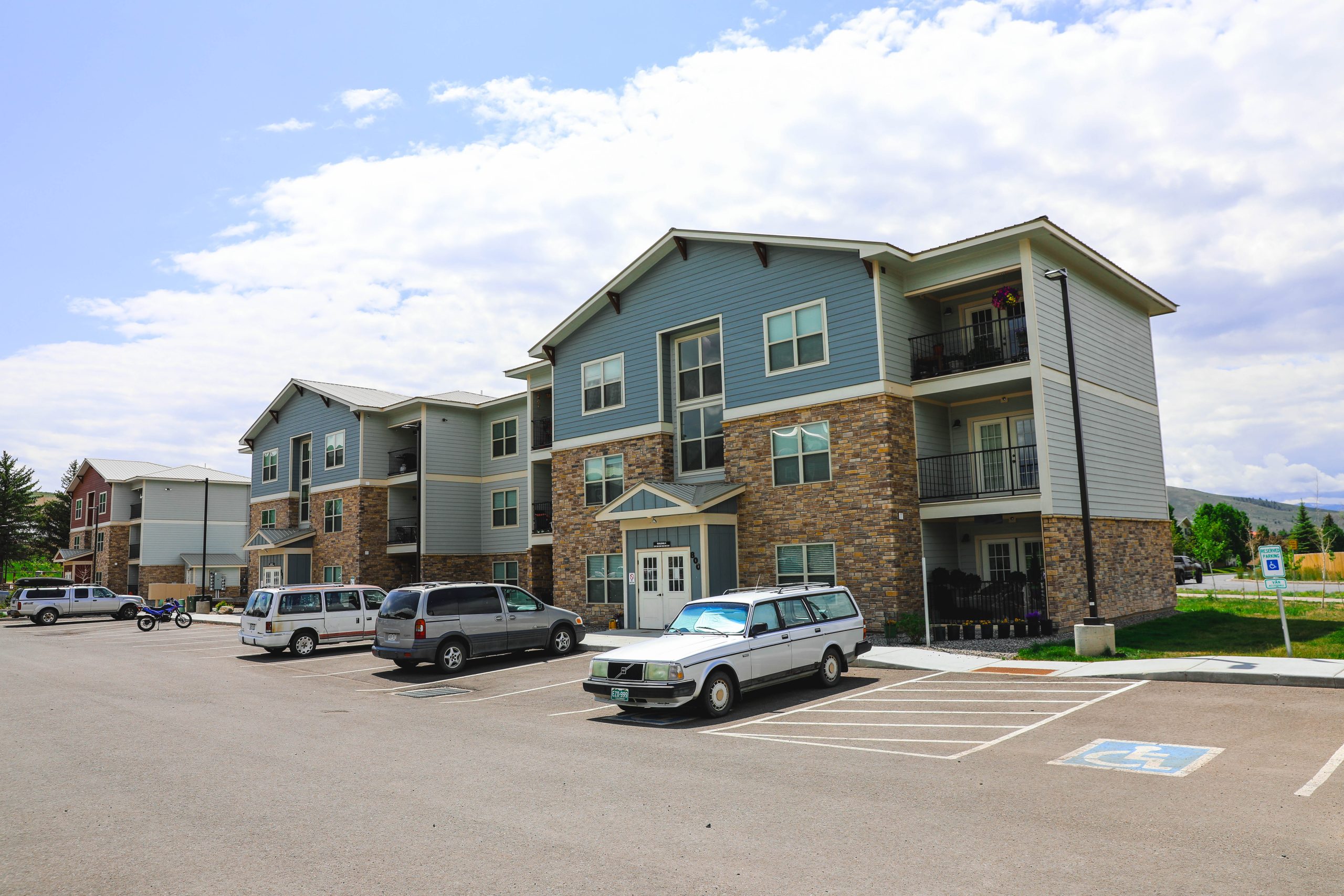
Some affordable housing is paid for by the national government. Because strict federal rules exist, this type of housing is typically apartment-style rentals with the least flexible income limits, rent prices, and eligibility requirements. These properties are reserved for lower-income residents and require strict reporting to the federal government to make sure the homes are reaching the people who need them most. It is nearly impossible to build homes for the lowest-income earners in our resort community without this federal funding.
Examples of these types of projects in the Gunnison Valley include Anthracite Place in Crested Butte, Gardenwalk in Gunnison, and Mineral Point in Crested Butte.

Public-Private Partnerships
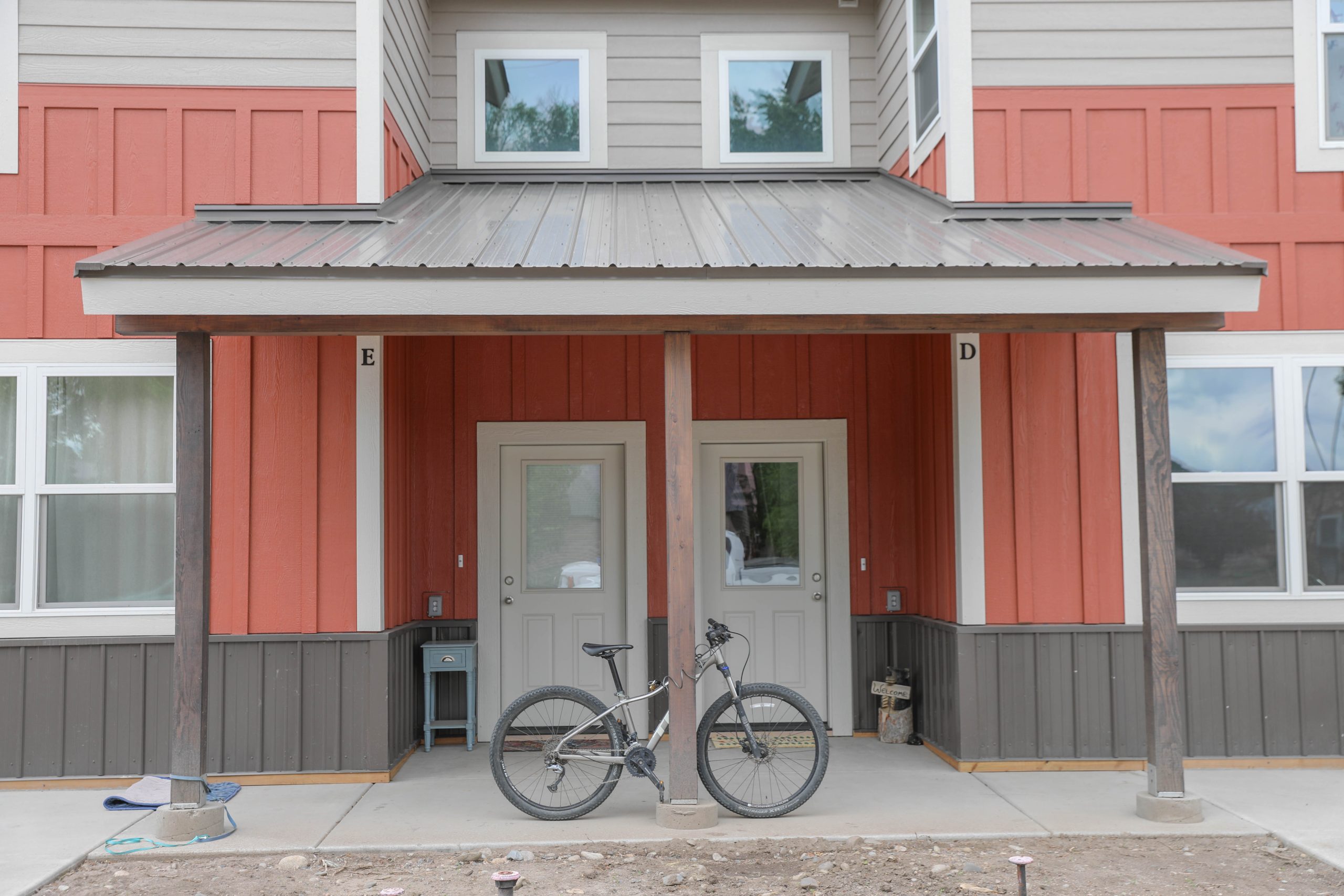
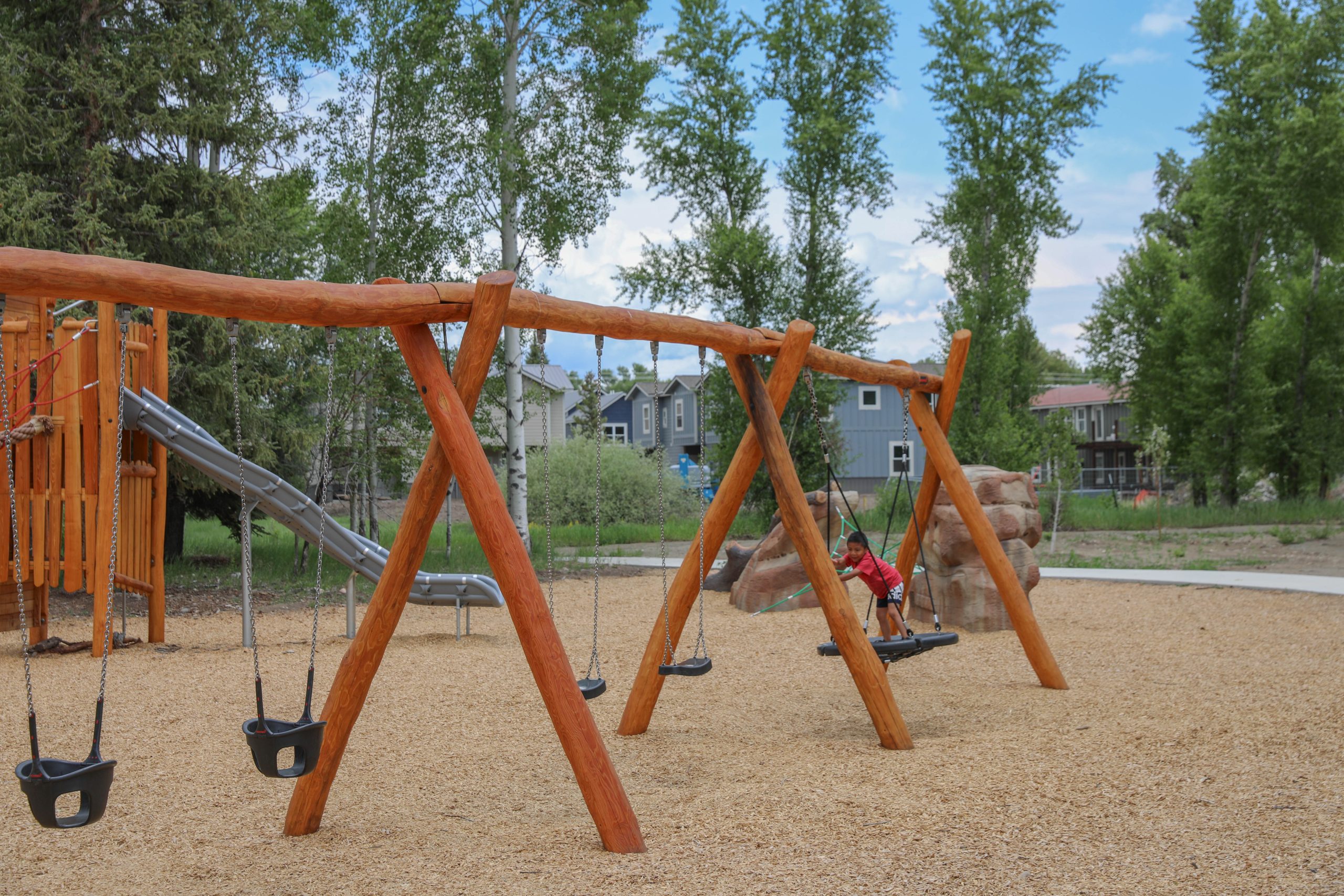
Many housing developments in the Gunnison Valley involve collaboration between local governments, nonprofits, and private developers. In these cases, the local City or Town government might donate land it already owns or pay for roads and water lines while the private sector handles construction. This can result in communities that include deed-restricted and non-restricted (free market) homes to help balance construction costs.
An example of this type of project is the Lazy K neighborhood in Gunnison.
Why Do We Have So Many Different Deed Restrictions?
The short answer: There’s no one-size-fits-all deed restriction in the Gunnison Valley. Every project is different based on where it is located, who paid to build it, when it was constructed, and the size/style of the home. Over time, local agencies and governments have fine-tuned deed restrictions based on what works (and what doesn’t), so deed restrictions from 25 years ago may look a lot different than ones from today. There is no perfect formula to ensure that all homes and prices will meet the needs of all people who are in search of a place to live, but deed restrictions are one important tool to help keep home prices more in line with local wages.
Final Thoughts
Affordable housing in the Gunnison Valley is complex and ever-evolving. It takes a lot of coordination between local governments, developers, and community organizations to build it. At the heart of it all is a shared goal: to create housing that serves local people—teachers, nurses, small business owners, and service workers—so they can continue to live, work, and thrive in the place they call home.
While deed restrictions can be confusing, they are an essential tool in making sure affordable housing stays affordable, regardless of who moves in and out of a home.